Buy crowdfundings.eu ?
We are moving the project
crowdfundings.eu .
Are you interested in purchasing the domain
crowdfundings.eu ?
domain@kv-gmbh.de · 0541-91531010
Buy crowdfundings.eu ?
What are reactants and products?
Reactants are the starting materials in a chemical reaction that undergo a change to form new substances called products. Reactants are consumed during the reaction, while products are the end result of the reaction. The reactants are typically written on the left side of a chemical equation, while the products are written on the right side. **
What are limiting reactants in chemistry?
Limiting reactants, also known as limiting reagents, are the reactants in a chemical reaction that are completely consumed, thus limiting the amount of product that can be formed. In other words, they determine the maximum amount of product that can be produced in a reaction. The concept of limiting reactants is important in stoichiometry, as it helps to determine the theoretical yield of a reaction and identify the excess reactant that will be left over after the reaction is complete. **


Similar search terms for Reactants
Top-Angebote
Products related to Reactants:
-
SSO Raise a Reader Raise a Reader Set: Phenomenal PetsFour sweet and funny tales - with tails! - that capture the ups and downs of taking a chance on a furry friend.This set includes:Hedge Over Heels: A Wish NovelHorse Country #1: Can't Be TamedMust Love Pets #1 Friends Fur-EverSwitched Raise a Reader...29,00 $*Shipping: 0,00 $Secure redirect to the provider
-
SSO Raise a Reader Raise a Reader Set: Gamer TalesVenture into these online escapades featuring stories from the humorous, to the mysterious and horror-filled.This set includes:Game OverLast Gamer StandingLevel 13Piggy: Infected Raise a Reader Set: Gamer Tales29,00 $*Shipping: 0,00 $Secure redirect to the provider
-
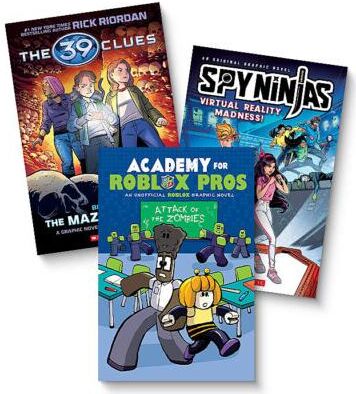
SSO Raise a Reader Raise a Reader Set: Graphix ThrillsRace your way through these exciting graphic novel reads!This set includes:39 Clues Graphic Novel #1: The Maze of BonesAcademy for Roblox Pros Graphic Novel #1: Attack of the ZombiesSpy Ninjas Official Graphic Novel: Virtual Reality Madness! Raise a...29,00 $*Shipping: 0,00 $Secure redirect to the provider



-
How do you calculate reactants in chemistry?
To calculate reactants in chemistry, you first need to write a balanced chemical equation for the reaction. Then, determine the molar ratio between the reactants and the product in the balanced equation. Next, calculate the number of moles of the known reactant using its given mass or volume and its molar mass. Finally, use the molar ratio to calculate the number of moles of the other reactant needed for the reaction. **
-
Are only reactants given in redox reactions?
No, redox reactions involve both reactants and products. In a redox reaction, one substance undergoes oxidation (loses electrons) while another undergoes reduction (gains electrons). Therefore, both the reactants and products are involved in the redox process. The reactants are the starting materials that undergo the redox reaction, while the products are the resulting substances after the redox reaction has occurred. **
-
What is the reaction equation to convert the product back into the reactants?
The reaction equation to convert the product back into the reactants is the reverse of the original reaction. This can be represented by writing the reactants on the product side and the products on the reactant side of the equation. For example, if the original reaction was A + B → C + D, the reverse reaction would be C + D → A + B. This reverse reaction is often denoted by using a double arrow to indicate that the reaction can proceed in both directions. **
-
How do you calculate the reactants in chemistry?
To calculate the reactants in a chemical reaction, you first need to write out the balanced chemical equation for the reaction. Then, you can use stoichiometry to calculate the amount of reactants needed based on the desired amount of product. This involves using the coefficients in the balanced equation to set up conversion factors and then using these conversion factors to calculate the amount of reactants required. Finally, you can use the molar mass of the reactants to convert between mass and moles if necessary. **


What are the products and what are the reactants?
In a chemical reaction, the reactants are the substances that undergo a chemical change to form new substances called products. Reactants are the starting materials that are transformed into products during the reaction. The products are the end result of the chemical reaction, formed from the rearrangement of atoms in the reactants. The reactants are consumed during the reaction, while the products are the new substances that are produced. **
How do you calculate the required amount of reactants?
To calculate the required amount of reactants, you first need to determine the balanced chemical equation for the reaction. Then, you can use stoichiometry to convert the given amount of one reactant to the amount of the other reactant needed for the reaction. This involves using the molar ratios from the balanced equation to convert between moles of the given reactant and moles of the required reactant. Finally, you can use the molar mass of the required reactant to convert from moles to the required amount in grams or other units as needed. **
Top-Angebote
Products related to Reactants:
-
"Pavilion Vacation Fund Ceramic Savings Bank - 6.5"""Save for your next adventure in style with this charming “Vacation Fund” stoneware money jar. Featuring a glossy ombre glaze, motivational fill lines, and a removable dollar-sign keychain, it’s a fun and functional way to reach your travel goals31,99 $*Shipping: 0,00 $Secure redirect to the provider
-
SSO Raise a Reader Raise a Reader Set: ResiliencyHelp children understand and expand their world, and build empathy, with books featuring characters and stories outside of the mainstream narrative. These stories feature characters with disabilities of various natures.This set includes:The Boy Who...29,00 $*Shipping: 0,00 $Secure redirect to the provider
-
SSO Raise a Reader Raise a Reader Set: Phenomenal PetsFour sweet and funny tales - with tails! - that capture the ups and downs of taking a chance on a furry friend.This set includes:Hedge Over Heels: A Wish NovelHorse Country #1: Can't Be TamedMust Love Pets #1 Friends Fur-EverSwitched Raise a Reader...29,00 $*Shipping: 0,00 $Secure redirect to the provider
-
SSO Raise a Reader Raise a Reader Set: Gamer TalesVenture into these online escapades featuring stories from the humorous, to the mysterious and horror-filled.This set includes:Game OverLast Gamer StandingLevel 13Piggy: Infected Raise a Reader Set: Gamer Tales29,00 $*Shipping: 0,00 $Secure redirect to the provider
-
What are reactants and products?
Reactants are the starting materials in a chemical reaction that undergo a change to form new substances called products. Reactants are consumed during the reaction, while products are the end result of the reaction. The reactants are typically written on the left side of a chemical equation, while the products are written on the right side. **
-
What are limiting reactants in chemistry?
Limiting reactants, also known as limiting reagents, are the reactants in a chemical reaction that are completely consumed, thus limiting the amount of product that can be formed. In other words, they determine the maximum amount of product that can be produced in a reaction. The concept of limiting reactants is important in stoichiometry, as it helps to determine the theoretical yield of a reaction and identify the excess reactant that will be left over after the reaction is complete. **
-
How do you calculate reactants in chemistry?
To calculate reactants in chemistry, you first need to write a balanced chemical equation for the reaction. Then, determine the molar ratio between the reactants and the product in the balanced equation. Next, calculate the number of moles of the known reactant using its given mass or volume and its molar mass. Finally, use the molar ratio to calculate the number of moles of the other reactant needed for the reaction. **
-
Are only reactants given in redox reactions?
No, redox reactions involve both reactants and products. In a redox reaction, one substance undergoes oxidation (loses electrons) while another undergoes reduction (gains electrons). Therefore, both the reactants and products are involved in the redox process. The reactants are the starting materials that undergo the redox reaction, while the products are the resulting substances after the redox reaction has occurred. **
Similar search terms for Reactants
-
SSO Raise a Reader Raise a Reader Set: Graphix ThrillsRace your way through these exciting graphic novel reads!This set includes:39 Clues Graphic Novel #1: The Maze of BonesAcademy for Roblox Pros Graphic Novel #1: Attack of the ZombiesSpy Ninjas Official Graphic Novel: Virtual Reality Madness! Raise a...29,00 $*Shipping: 0,00 $Secure redirect to the provider
-
SSO Raise a Reader Raise a Reader Set: Dangerous WatersDive into these action-packed adventures!This set includes:The Girl in the LakeI Survived #21: I Survived the Galveston Hurricane, 1900Wild RiverZane and the Hurricane Raise a Reader Set: Dangerous Waters29,00 $*Shipping: 0,00 $Secure redirect to the provider
-
SSO Raise a Reader Raise a Reader Set: Comical CharactersThis set includes:The Bailey School Kids Graphix #1: Vampires Don't Wear Polka DotsBanana Fox #1: Banana Fox and the Secret Sour SocietyClifford the Big Red Dog: The Movie Graphic NovelSpider-Ham: Great Power, No Responsibility Raise a Reader Set:...29,00 $*Shipping: 0,00 $Secure redirect to the provider
-
What is the reaction equation to convert the product back into the reactants?
The reaction equation to convert the product back into the reactants is the reverse of the original reaction. This can be represented by writing the reactants on the product side and the products on the reactant side of the equation. For example, if the original reaction was A + B → C + D, the reverse reaction would be C + D → A + B. This reverse reaction is often denoted by using a double arrow to indicate that the reaction can proceed in both directions. **
-
How do you calculate the reactants in chemistry?
To calculate the reactants in a chemical reaction, you first need to write out the balanced chemical equation for the reaction. Then, you can use stoichiometry to calculate the amount of reactants needed based on the desired amount of product. This involves using the coefficients in the balanced equation to set up conversion factors and then using these conversion factors to calculate the amount of reactants required. Finally, you can use the molar mass of the reactants to convert between mass and moles if necessary. **
-
What are the products and what are the reactants?
In a chemical reaction, the reactants are the substances that undergo a chemical change to form new substances called products. Reactants are the starting materials that are transformed into products during the reaction. The products are the end result of the chemical reaction, formed from the rearrangement of atoms in the reactants. The reactants are consumed during the reaction, while the products are the new substances that are produced. **
-
How do you calculate the required amount of reactants?
To calculate the required amount of reactants, you first need to determine the balanced chemical equation for the reaction. Then, you can use stoichiometry to convert the given amount of one reactant to the amount of the other reactant needed for the reaction. This involves using the molar ratios from the balanced equation to convert between moles of the given reactant and moles of the required reactant. Finally, you can use the molar mass of the required reactant to convert from moles to the required amount in grams or other units as needed. **
* All prices are inclusive of VAT and, if applicable, plus shipping costs. The offer information is based on the details provided by the respective shop and is updated through automated processes. Real-time updates do not occur, so deviations can occur in individual cases. ** Note: Parts of this content were created by AI.