Buy crowdfundings.eu ?
We are moving the project
crowdfundings.eu .
Are you interested in purchasing the domain
crowdfundings.eu ?
domain@kv-gmbh.de · 0541-91531010
Buy crowdfundings.eu ?
How were pyramids built back then?
Pyramids were built by thousands of skilled laborers who quarried and transported massive stones to the construction site. The stones were then carefully placed on top of each other to form the pyramid's structure. The construction process involved a combination of engineering, mathematics, and manual labor, with workers using simple tools such as ropes, levers, and sledges to move and position the heavy stones. The precise methods and techniques used to build the pyramids are still a subject of study and debate among archaeologists and historians. **
Who built the pyramids back then?
The pyramids in Egypt were built by skilled laborers, including skilled craftsmen, engineers, and workers who were organized and overseen by the pharaoh's government. These workers were not slaves, as was once believed, but rather highly skilled and well-compensated individuals who were likely part of a specialized workforce. The construction of the pyramids was a massive undertaking that required careful planning, engineering, and coordination, and it is a testament to the advanced civilization of ancient Egypt. **

Similar search terms for Pyramids
Top-Angebote
Products related to Pyramids:
-
Josenea TILA, BOLSA 10 PYRAMIDSNutrition and Supplements Natural Extracts Josenea TILA, BOLSA 10 PYRAMIDS Features: inflorescences (any branch is resolved in flowers) and its bract (small sheet whose armpit is often born a flower) are used. Sometimes sapwood (private bark its outside or suber) is used. Constituents: The inflorescences contain mucilages that confer emollient and soothing, essential oil (farsenol is a sesquiterpene alcohol, traces of geraniol and eugenol sedating light nervous and antispasmodic action system, and flavonoids: quercitrosido, isoquercitrosido, tilirosido (Kaempherol -3 -p cumarilglucosido) with diuretic properties. They also have sudorífica defenses and stimulating action. the Abura containing phloroglucinol, catechic and gallic tannins, coumarin heterosides (fraxosido and esculósido) with choleretic, antispasmodic, vasodilator and hypotensive coronary.2,79 £*Shipping: 3,99 £Secure redirect to the provider
-
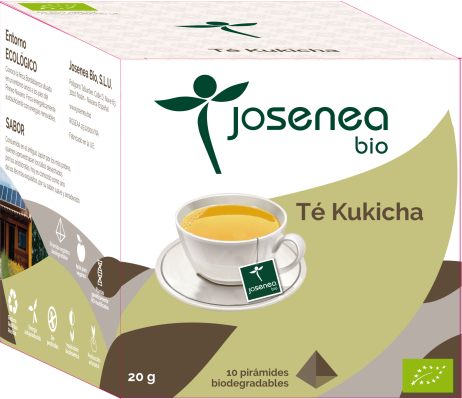
Equisalud Kukicha Tea Bio 10 PyramidsNutrition and Supplements Infusions and teas Equisalud Kukicha Tea Bio 10 Pyramids Kukicha tea. Preparation mode: *Infuse at 75-90 for 2-4 minutes. Keep in a dry and cool place. Warnings: Food supplements should not be used as a substitute for a varied and balanced diet. Do not exceed the expressly recommended daily dose. Keep out of reach of young children.2,96 £*Shipping: 3,99 £Secure redirect to the provider


-
How were the pyramids built back then?
The pyramids were built by thousands of skilled laborers who were organized into work crews. They used simple tools such as ropes, sledges, and levers to move the massive stone blocks into place. The stones were quarried locally and transported to the construction site using a combination of ramps and sledges. The workers would then carefully stack the stones on top of each other, gradually building up the pyramid layer by layer. **
-
What are pyramids?
Pyramids are ancient structures with a square or triangular base and four triangular sides that meet at a point at the top. They were built by various ancient civilizations, such as the Egyptians and the Mayans, and were used for religious and ceremonial purposes, as well as serving as tombs for pharaohs and other important figures. The most famous pyramids are the ones located in Egypt, such as the Great Pyramid of Giza, which is one of the Seven Wonders of the Ancient World. **
-
What are versatile pyramids?
Versatile pyramids are three-dimensional shapes with a polygonal base and triangular faces that meet at a common point called the apex. They are considered versatile because they can come in various forms, such as square pyramids, triangular pyramids, pentagonal pyramids, etc. These shapes can be used in a wide range of applications, from architecture to geometry to engineering, making them versatile in their utility. **
-
What are number pyramids?
Number pyramids are a type of mathematical puzzle or game in which numbers are arranged in a pyramid shape. Each number in the pyramid is the sum of the two numbers directly below it. The goal of the puzzle is to fill in the missing numbers in the pyramid based on this rule. Number pyramids are a fun way to practice addition and problem-solving skills. They can also be used as a teaching tool for students learning about number patterns and relationships. **

Who has experience or knowledge about pyramids, pyramid energies, and copper pyramids?
Individuals who have studied ancient civilizations, particularly those in Egypt, may have knowledge about pyramids and their construction. Those interested in alternative healing practices or energy work may have experience with pyramid energies and the potential benefits they offer. Additionally, individuals who work with metals, such as copper, may have knowledge about the properties and uses of copper pyramids in various applications. **
Who has experience or knowledge about pyramids, pyramid energy, and copper pyramids?
People who have studied ancient civilizations, particularly those in Egypt and Mesoamerica, may have knowledge about pyramids and their historical significance. Additionally, individuals who are interested in alternative healing practices and energy work may have experience with pyramid energy and the use of copper pyramids for meditation and spiritual purposes. There are also researchers and practitioners in the field of sacred geometry and geomancy who have studied the energetic properties of pyramids and their potential effects on the surrounding environment. **
Top-Angebote
Products related to Pyramids:
-
Josenea TILA, BOLSA 10 PYRAMIDSNutrition and Supplements Natural Extracts Josenea TILA, BOLSA 10 PYRAMIDS Features: inflorescences (any branch is resolved in flowers) and its bract (small sheet whose armpit is often born a flower) are used. Sometimes sapwood (private bark its outside or suber) is used. Constituents: The inflorescences contain mucilages that confer emollient and soothing, essential oil (farsenol is a sesquiterpene alcohol, traces of geraniol and eugenol sedating light nervous and antispasmodic action system, and flavonoids: quercitrosido, isoquercitrosido, tilirosido (Kaempherol -3 -p cumarilglucosido) with diuretic properties. They also have sudorífica defenses and stimulating action. the Abura containing phloroglucinol, catechic and gallic tannins, coumarin heterosides (fraxosido and esculósido) with choleretic, antispasmodic, vasodilator and hypotensive coronary.2,79 £*Shipping: 3,99 £Secure redirect to the provider
-
How were pyramids built back then?
Pyramids were built by thousands of skilled laborers who quarried and transported massive stones to the construction site. The stones were then carefully placed on top of each other to form the pyramid's structure. The construction process involved a combination of engineering, mathematics, and manual labor, with workers using simple tools such as ropes, levers, and sledges to move and position the heavy stones. The precise methods and techniques used to build the pyramids are still a subject of study and debate among archaeologists and historians. **
-
Who built the pyramids back then?
The pyramids in Egypt were built by skilled laborers, including skilled craftsmen, engineers, and workers who were organized and overseen by the pharaoh's government. These workers were not slaves, as was once believed, but rather highly skilled and well-compensated individuals who were likely part of a specialized workforce. The construction of the pyramids was a massive undertaking that required careful planning, engineering, and coordination, and it is a testament to the advanced civilization of ancient Egypt. **
-
How were the pyramids built back then?
The pyramids were built by thousands of skilled laborers who were organized into work crews. They used simple tools such as ropes, sledges, and levers to move the massive stone blocks into place. The stones were quarried locally and transported to the construction site using a combination of ramps and sledges. The workers would then carefully stack the stones on top of each other, gradually building up the pyramid layer by layer. **
-
What are pyramids?
Pyramids are ancient structures with a square or triangular base and four triangular sides that meet at a point at the top. They were built by various ancient civilizations, such as the Egyptians and the Mayans, and were used for religious and ceremonial purposes, as well as serving as tombs for pharaohs and other important figures. The most famous pyramids are the ones located in Egypt, such as the Great Pyramid of Giza, which is one of the Seven Wonders of the Ancient World. **
Similar search terms for Pyramids
-
Equisalud Kukicha Tea Bio 10 PyramidsNutrition and Supplements Infusions and teas Equisalud Kukicha Tea Bio 10 Pyramids Kukicha tea. Preparation mode: *Infuse at 75-90 for 2-4 minutes. Keep in a dry and cool place. Warnings: Food supplements should not be used as a substitute for a varied and balanced diet. Do not exceed the expressly recommended daily dose. Keep out of reach of young children.2,96 £*Shipping: 3,99 £Secure redirect to the provider
-
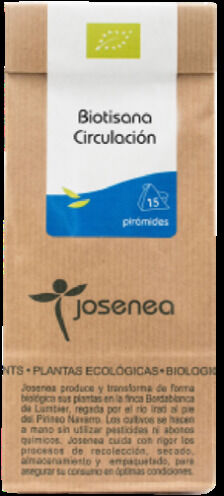
Equisalud Biotisana Circulation 15 Pyramids. 15Nutrition and Supplements Natural Extracts Equisalud Biotisana Circulation 15 Pyramids. 15 Food supplements should not be used as a substitute for a varied and balanced diet. Do not exceed the expressly recommended daily dose. Keep out of the reach of little kids. How to use: -Granel: add a teaspoon for a large glass of water (250 ml). Cook for 2 min and let it rest for 10 min (covered). Drink a large glass 3 times a day before main meals. Pyramid: put a pyramid in a large glass (250 ml) and add boiling water. Let stand 3 to 5 minutes (covered). Take a large glass 2 times a day as a preventive and 4 times a day in acute conditions, preferably on an empty stomach. If you need to sweeten it is recommended to use stevia or honey instead of refined sugar. Conservation: Store in a cool, dry place. Content: 15 pyramids.5,90 £*Shipping: 3,99 £Secure redirect to the provider
-
What are versatile pyramids?
Versatile pyramids are three-dimensional shapes with a polygonal base and triangular faces that meet at a common point called the apex. They are considered versatile because they can come in various forms, such as square pyramids, triangular pyramids, pentagonal pyramids, etc. These shapes can be used in a wide range of applications, from architecture to geometry to engineering, making them versatile in their utility. **
-
What are number pyramids?
Number pyramids are a type of mathematical puzzle or game in which numbers are arranged in a pyramid shape. Each number in the pyramid is the sum of the two numbers directly below it. The goal of the puzzle is to fill in the missing numbers in the pyramid based on this rule. Number pyramids are a fun way to practice addition and problem-solving skills. They can also be used as a teaching tool for students learning about number patterns and relationships. **
-
Who has experience or knowledge about pyramids, pyramid energies, and copper pyramids?
Individuals who have studied ancient civilizations, particularly those in Egypt, may have knowledge about pyramids and their construction. Those interested in alternative healing practices or energy work may have experience with pyramid energies and the potential benefits they offer. Additionally, individuals who work with metals, such as copper, may have knowledge about the properties and uses of copper pyramids in various applications. **
-
Who has experience or knowledge about pyramids, pyramid energy, and copper pyramids?
People who have studied ancient civilizations, particularly those in Egypt and Mesoamerica, may have knowledge about pyramids and their historical significance. Additionally, individuals who are interested in alternative healing practices and energy work may have experience with pyramid energy and the use of copper pyramids for meditation and spiritual purposes. There are also researchers and practitioners in the field of sacred geometry and geomancy who have studied the energetic properties of pyramids and their potential effects on the surrounding environment. **
* All prices are inclusive of VAT and, if applicable, plus shipping costs. The offer information is based on the details provided by the respective shop and is updated through automated processes. Real-time updates do not occur, so deviations can occur in individual cases. ** Note: Parts of this content were created by AI.