Buy crowdfundings.eu ?
We are moving the project
crowdfundings.eu .
Are you interested in purchasing the domain
crowdfundings.eu ?
domain@kv-gmbh.de · 0541-91531010
Buy crowdfundings.eu ?
Capitalization in these cases?
In these cases, capitalization is not necessary. The words "in," "these," and "cases" are all considered common nouns and do not require capitalization unless they are at the beginning of a sentence. Only proper nouns, such as names of specific people, places, or things, should be capitalized. **
How does capitalization work?
Capitalization refers to the use of uppercase letters at the beginning of a word. In English, proper nouns such as names of people, places, and organizations are capitalized. The first word in a sentence is also capitalized, as well as the pronoun "I." Titles of books, movies, and songs are typically capitalized. It is important to pay attention to capitalization rules to ensure clear and correct writing. **

Similar search terms for Capitalization
Top-Angebote
Products related to Capitalization:
-
SSO Raise a Reader Raise a Reader Set: ResiliencyHelp children understand and expand their world, and build empathy, with books featuring characters and stories outside of the mainstream narrative. These stories feature characters with disabilities of various natures.This set includes:The Boy Who...29,00 $*Shipping: 0,00 $Secure redirect to the provider
-
SSO Raise a Reader Raise a Reader Set: Gamer TalesVenture into these online escapades featuring stories from the humorous, to the mysterious and horror-filled.This set includes:Game OverLast Gamer StandingLevel 13Piggy: Infected Raise a Reader Set: Gamer Tales29,00 $*Shipping: 0,00 $Secure redirect to the provider
-
SSO Raise a Reader Raise a Reader Set: Graphix ThrillsRace your way through these exciting graphic novel reads!This set includes:39 Clues Graphic Novel #1: The Maze of BonesAcademy for Roblox Pros Graphic Novel #1: Attack of the ZombiesSpy Ninjas Official Graphic Novel: Virtual Reality Madness! Raise a...29,00 $*Shipping: 0,00 $Secure redirect to the provider




-
Is the capitalization good?
Yes, the capitalization is good. The sentences begin with capital letters and proper nouns are capitalized as well. Overall, the writing follows standard capitalization rules and is clear and easy to read. **
-
Is the capitalization correct?
Yes, the capitalization is correct. **
-
Does Japanese have capitalization?
No, Japanese does not have capitalization in the same way that English does. In Japanese writing, there is no distinction between uppercase and lowercase letters. Instead, the language relies on other methods, such as kanji characters and context, to convey meaning and emphasis. Therefore, capitalization is not a feature of the Japanese writing system. **
-
Small question about capitalization
When it comes to capitalization, it's important to remember that proper nouns, such as names of specific people, places, and things, should always be capitalized. Additionally, the first word of a sentence and the pronoun "I" should also be capitalized. However, common nouns and most adjectives should not be capitalized unless they are part of a title or are being used in a specific, formal context. It's always a good idea to double-check the rules of capitalization to ensure that your writing is clear and correct. **


Should capitalization be abolished?
Capitalization serves an important purpose in written language by indicating the beginning of a sentence, proper nouns, and titles. It helps to clarify and organize written text, making it easier to read and understand. Abolishing capitalization would likely lead to confusion and make written communication less clear. Therefore, capitalization should not be abolished as it plays a crucial role in written language. **
Which suffix determines capitalization?
The suffix that determines capitalization is the proper noun suffix. Proper nouns are specific names of people, places, or things, and they are always capitalized. When a common noun is changed into a proper noun by adding a suffix, the capitalization is determined by the suffix. For example, the common noun "river" becomes the proper noun "Mississippi River" when the proper noun suffix "River" is added, and "River" is capitalized. **
Top-Angebote
Products related to Capitalization:
-
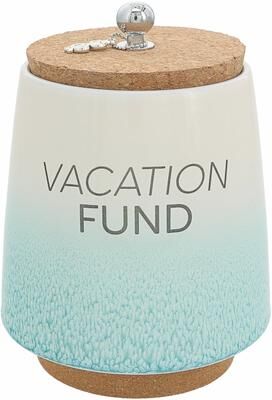
"Pavilion Vacation Fund Ceramic Savings Bank - 6.5"""Save for your next adventure in style with this charming “Vacation Fund” stoneware money jar. Featuring a glossy ombre glaze, motivational fill lines, and a removable dollar-sign keychain, it’s a fun and functional way to reach your travel goals31,99 $*Shipping: 0,00 $Secure redirect to the provider
-
SSO Raise a Reader Raise a Reader Set: ResiliencyHelp children understand and expand their world, and build empathy, with books featuring characters and stories outside of the mainstream narrative. These stories feature characters with disabilities of various natures.This set includes:The Boy Who...29,00 $*Shipping: 0,00 $Secure redirect to the provider
-
SSO Raise a Reader Raise a Reader Set: Gamer TalesVenture into these online escapades featuring stories from the humorous, to the mysterious and horror-filled.This set includes:Game OverLast Gamer StandingLevel 13Piggy: Infected Raise a Reader Set: Gamer Tales29,00 $*Shipping: 0,00 $Secure redirect to the provider
-
Capitalization in these cases?
In these cases, capitalization is not necessary. The words "in," "these," and "cases" are all considered common nouns and do not require capitalization unless they are at the beginning of a sentence. Only proper nouns, such as names of specific people, places, or things, should be capitalized. **
-
How does capitalization work?
Capitalization refers to the use of uppercase letters at the beginning of a word. In English, proper nouns such as names of people, places, and organizations are capitalized. The first word in a sentence is also capitalized, as well as the pronoun "I." Titles of books, movies, and songs are typically capitalized. It is important to pay attention to capitalization rules to ensure clear and correct writing. **
-
Is the capitalization good?
Yes, the capitalization is good. The sentences begin with capital letters and proper nouns are capitalized as well. Overall, the writing follows standard capitalization rules and is clear and easy to read. **
-
Is the capitalization correct?
Yes, the capitalization is correct. **
Similar search terms for Capitalization
-
SSO Raise a Reader Raise a Reader Set: Graphix ThrillsRace your way through these exciting graphic novel reads!This set includes:39 Clues Graphic Novel #1: The Maze of BonesAcademy for Roblox Pros Graphic Novel #1: Attack of the ZombiesSpy Ninjas Official Graphic Novel: Virtual Reality Madness! Raise a...29,00 $*Shipping: 0,00 $Secure redirect to the provider
-
SSO Raise a Reader Raise a Reader Set: Comical CharactersThis set includes:The Bailey School Kids Graphix #1: Vampires Don't Wear Polka DotsBanana Fox #1: Banana Fox and the Secret Sour SocietyClifford the Big Red Dog: The Movie Graphic NovelSpider-Ham: Great Power, No Responsibility Raise a Reader Set:...29,00 $*Shipping: 0,00 $Secure redirect to the provider
-
SSO Raise a Reader Raise a Reader Set: Magical ReadsGet a taste of magic in these stories full of enchanting characters.This set includes:Best Wishes #1Harry Potter and the Sorcerer's StoneLegends of Lotus Island #1: Guardian TestThe School for Wicked Witches Raise a Reader Set: Magical Reads29,00 $*Shipping: 0,00 $Secure redirect to the provider
-
Does Japanese have capitalization?
No, Japanese does not have capitalization in the same way that English does. In Japanese writing, there is no distinction between uppercase and lowercase letters. Instead, the language relies on other methods, such as kanji characters and context, to convey meaning and emphasis. Therefore, capitalization is not a feature of the Japanese writing system. **
-
Small question about capitalization
When it comes to capitalization, it's important to remember that proper nouns, such as names of specific people, places, and things, should always be capitalized. Additionally, the first word of a sentence and the pronoun "I" should also be capitalized. However, common nouns and most adjectives should not be capitalized unless they are part of a title or are being used in a specific, formal context. It's always a good idea to double-check the rules of capitalization to ensure that your writing is clear and correct. **
-
Should capitalization be abolished?
Capitalization serves an important purpose in written language by indicating the beginning of a sentence, proper nouns, and titles. It helps to clarify and organize written text, making it easier to read and understand. Abolishing capitalization would likely lead to confusion and make written communication less clear. Therefore, capitalization should not be abolished as it plays a crucial role in written language. **
-
Which suffix determines capitalization?
The suffix that determines capitalization is the proper noun suffix. Proper nouns are specific names of people, places, or things, and they are always capitalized. When a common noun is changed into a proper noun by adding a suffix, the capitalization is determined by the suffix. For example, the common noun "river" becomes the proper noun "Mississippi River" when the proper noun suffix "River" is added, and "River" is capitalized. **
* All prices are inclusive of VAT and, if applicable, plus shipping costs. The offer information is based on the details provided by the respective shop and is updated through automated processes. Real-time updates do not occur, so deviations can occur in individual cases. ** Note: Parts of this content were created by AI.