Buy crowdfundings.eu ?
We are moving the project
crowdfundings.eu .
Are you interested in purchasing the domain
crowdfundings.eu ?
domain@kv-gmbh.de · 0541-91531010
Buy crowdfundings.eu ?
What are the differences between Buddhism and Tibetan Buddhism?
Buddhism is a broader religion that encompasses various traditions and schools, while Tibetan Buddhism is a specific branch of Buddhism that developed in Tibet. Tibetan Buddhism incorporates elements of Tibetan culture, such as rituals, deities, and practices like chanting and visualization. It also places a strong emphasis on the teachings of Tibetan Buddhist masters and the importance of the Dalai Lama. Additionally, Tibetan Buddhism includes unique practices such as the use of prayer flags, prayer wheels, and mandalas. **
What is the difference between Buddhism and Zen Buddhism?
Buddhism is a broader religion and philosophy that encompasses a variety of traditions and practices, while Zen Buddhism is a specific school or branch of Mahayana Buddhism that emphasizes meditation and direct experience of enlightenment. Zen Buddhism places a strong emphasis on the practice of meditation (zazen) as a means to achieve enlightenment, while traditional Buddhism incorporates a wider range of practices such as chanting, rituals, and study of Buddhist scriptures. Additionally, Zen Buddhism often focuses on the teachings of specific Zen masters and the importance of the teacher-student relationship in transmitting wisdom and insight. **

Similar search terms for Buddhism
Top-Angebote
Products related to Buddhism:
-
"Pavilion Vacation Fund Ceramic Savings Bank - 6.5"""Save for your next adventure in style with this charming “Vacation Fund” stoneware money jar. Featuring a glossy ombre glaze, motivational fill lines, and a removable dollar-sign keychain, it’s a fun and functional way to reach your travel goals31,99 $*Shipping: 0,00 $Secure redirect to the provider
-
SSO Raise a Reader Raise a Reader Set: ResiliencyHelp children understand and expand their world, and build empathy, with books featuring characters and stories outside of the mainstream narrative. These stories feature characters with disabilities of various natures.This set includes:The Boy Who...29,00 $*Shipping: 0,00 $Secure redirect to the provider
-
SSO Raise a Reader Raise a Reader Set: Gamer TalesVenture into these online escapades featuring stories from the humorous, to the mysterious and horror-filled.This set includes:Game OverLast Gamer StandingLevel 13Piggy: Infected Raise a Reader Set: Gamer Tales29,00 $*Shipping: 0,00 $Secure redirect to the provider




-
Is Buddhism illogical?
Buddhism is not inherently illogical. It is a complex and diverse belief system that encompasses a wide range of philosophical and ethical teachings. While some aspects of Buddhist doctrine may seem counterintuitive or difficult to understand from a Western perspective, they are based on a different cultural and philosophical framework. Many Buddhist teachings emphasize the importance of critical thinking and personal experience, and encourage followers to question and explore their beliefs. Ultimately, whether Buddhism is considered logical or not may depend on one's own perspective and understanding of its teachings. **
-
What is the difference between Zen Buddhism and regular Buddhism?
The main difference between Zen Buddhism and regular Buddhism lies in their approach to meditation and enlightenment. Zen Buddhism, which originated in China and later developed in Japan, emphasizes the practice of meditation (zazen) as the primary means to attain enlightenment. It focuses on direct experience and intuitive understanding, often through the guidance of a teacher. Regular Buddhism, on the other hand, encompasses a variety of traditions and practices, with meditation being just one of them. It places more emphasis on the study of scriptures, ethical conduct, and the development of wisdom and compassion. While both Zen Buddhism and regular Buddhism share the same core teachings of the Four Noble Truths and the Eightfold Path, their methods and emphasis on practice differ. **
-
What does Buddhism teach?
Buddhism teaches the Four Noble Truths, which are the truths of suffering, the cause of suffering, the end of suffering, and the path to the end of suffering. It also emphasizes the importance of mindfulness, compassion, and non-attachment. Buddhism teaches that all beings are interconnected and that the ultimate goal is to achieve enlightenment and liberation from the cycle of birth and death (samsara). **
-
What is Zen Buddhism?
Zen Buddhism is a school of Mahayana Buddhism that originated in China during the Tang dynasty and later spread to Japan. It emphasizes the practice of meditation (zazen) and the direct experience of enlightenment, or awakening. Zen teachings often focus on the concept of emptiness, impermanence, and the importance of living in the present moment. It is known for its minimalist approach, simplicity, and the use of paradoxical statements (koans) to provoke insight and break through conceptual thinking. **


Does Buddhism exclude Christianity?
Buddhism does not necessarily exclude Christianity. Both religions have different beliefs and practices, but individuals can choose to follow aspects of both faiths if they wish. Some people may find that certain teachings or practices from both Buddhism and Christianity complement each other, allowing them to incorporate elements of both into their spiritual beliefs. Ultimately, it is up to the individual to decide how they want to integrate different aspects of these religions into their own belief system. **
What makes Buddhism attractive?
Buddhism is attractive to many because of its emphasis on inner peace, mindfulness, and compassion. The teachings of Buddhism offer practical tools for dealing with suffering and finding contentment in the present moment. The focus on personal growth and self-awareness also appeals to those seeking spiritual fulfillment. Additionally, the inclusive nature of Buddhism, which welcomes people from all backgrounds and beliefs, makes it a welcoming and accessible path for many. **
Top-Angebote
Products related to Buddhism:
-
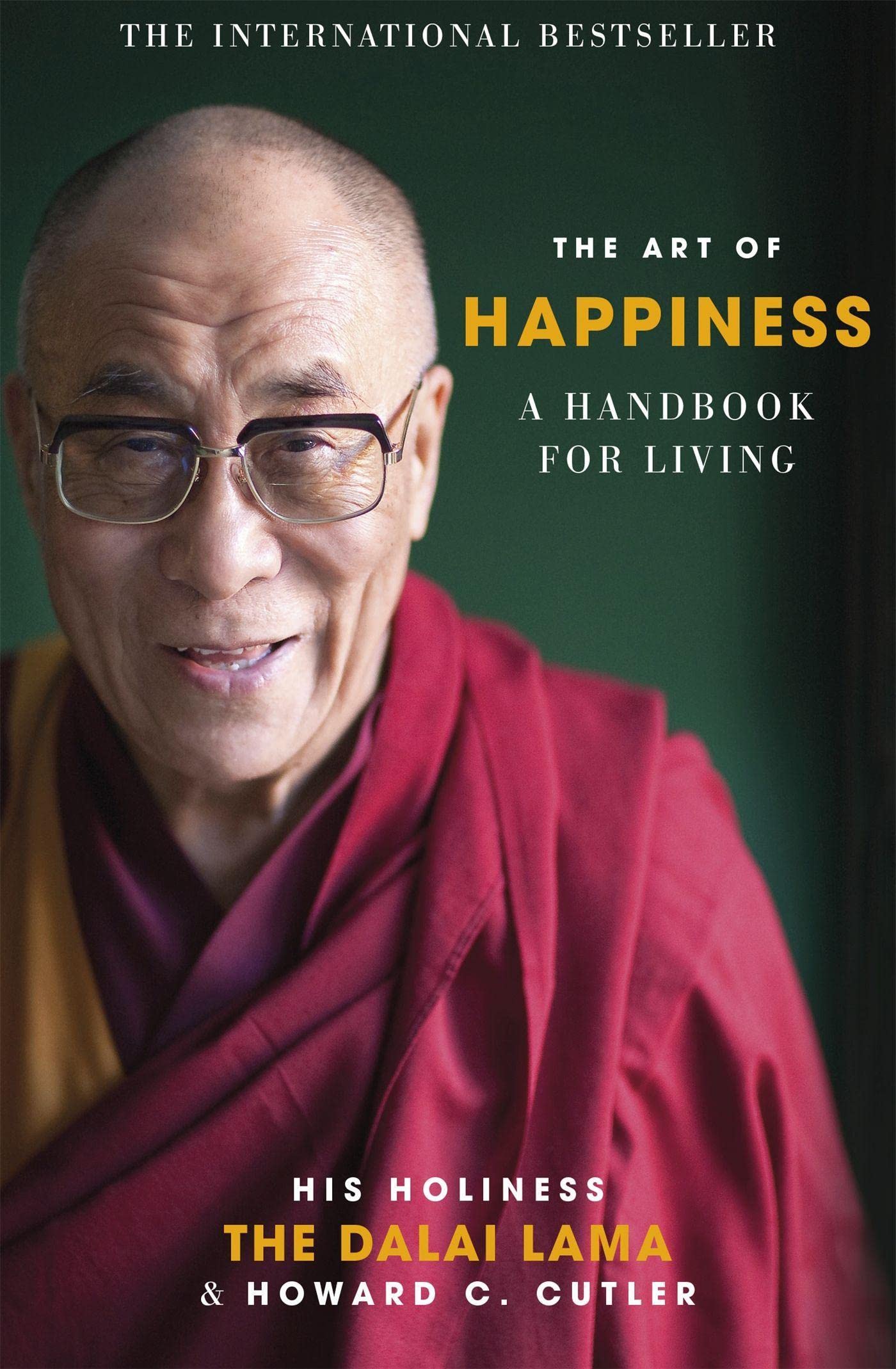
Hodder & Stoughton The Art of Happiness: A Handbook for Living by The Dalai Lama & Howard C. Cutler - Paperback Self-Help Classic on Buddhism & WellbeingA handbook for living, 'The Art of Happiness' pairs the spiritual insight of the Dalai Lama with the clinical expertise of Dr Howard C. Cutler. This practical guide explores how lasting contentment can be cultivated in everyday life, blending Tibetan Buddhist philosophy with Western psychology. The book is based on conversations between the Dalai Lama and Dr Cutler, recorded over several years, and offers a unique perspective on anxiety, loneliness, anger, loss, and the pursuit of wealth. Written with warmth, humour, and practicality, this influential work remains a valuable resource for those seeking calm and inner peace.9,99 £*Shipping: 2,99 £Secure redirect to the provider
-
"Pavilion Vacation Fund Ceramic Savings Bank - 6.5"""Save for your next adventure in style with this charming “Vacation Fund” stoneware money jar. Featuring a glossy ombre glaze, motivational fill lines, and a removable dollar-sign keychain, it’s a fun and functional way to reach your travel goals31,99 $*Shipping: 0,00 $Secure redirect to the provider
-
SSO Raise a Reader Raise a Reader Set: ResiliencyHelp children understand and expand their world, and build empathy, with books featuring characters and stories outside of the mainstream narrative. These stories feature characters with disabilities of various natures.This set includes:The Boy Who...29,00 $*Shipping: 0,00 $Secure redirect to the provider
-
What are the differences between Buddhism and Tibetan Buddhism?
Buddhism is a broader religion that encompasses various traditions and schools, while Tibetan Buddhism is a specific branch of Buddhism that developed in Tibet. Tibetan Buddhism incorporates elements of Tibetan culture, such as rituals, deities, and practices like chanting and visualization. It also places a strong emphasis on the teachings of Tibetan Buddhist masters and the importance of the Dalai Lama. Additionally, Tibetan Buddhism includes unique practices such as the use of prayer flags, prayer wheels, and mandalas. **
-
What is the difference between Buddhism and Zen Buddhism?
Buddhism is a broader religion and philosophy that encompasses a variety of traditions and practices, while Zen Buddhism is a specific school or branch of Mahayana Buddhism that emphasizes meditation and direct experience of enlightenment. Zen Buddhism places a strong emphasis on the practice of meditation (zazen) as a means to achieve enlightenment, while traditional Buddhism incorporates a wider range of practices such as chanting, rituals, and study of Buddhist scriptures. Additionally, Zen Buddhism often focuses on the teachings of specific Zen masters and the importance of the teacher-student relationship in transmitting wisdom and insight. **
-
Is Buddhism illogical?
Buddhism is not inherently illogical. It is a complex and diverse belief system that encompasses a wide range of philosophical and ethical teachings. While some aspects of Buddhist doctrine may seem counterintuitive or difficult to understand from a Western perspective, they are based on a different cultural and philosophical framework. Many Buddhist teachings emphasize the importance of critical thinking and personal experience, and encourage followers to question and explore their beliefs. Ultimately, whether Buddhism is considered logical or not may depend on one's own perspective and understanding of its teachings. **
-
What is the difference between Zen Buddhism and regular Buddhism?
The main difference between Zen Buddhism and regular Buddhism lies in their approach to meditation and enlightenment. Zen Buddhism, which originated in China and later developed in Japan, emphasizes the practice of meditation (zazen) as the primary means to attain enlightenment. It focuses on direct experience and intuitive understanding, often through the guidance of a teacher. Regular Buddhism, on the other hand, encompasses a variety of traditions and practices, with meditation being just one of them. It places more emphasis on the study of scriptures, ethical conduct, and the development of wisdom and compassion. While both Zen Buddhism and regular Buddhism share the same core teachings of the Four Noble Truths and the Eightfold Path, their methods and emphasis on practice differ. **
Similar search terms for Buddhism
-
SSO Raise a Reader Raise a Reader Set: Gamer TalesVenture into these online escapades featuring stories from the humorous, to the mysterious and horror-filled.This set includes:Game OverLast Gamer StandingLevel 13Piggy: Infected Raise a Reader Set: Gamer Tales29,00 $*Shipping: 0,00 $Secure redirect to the provider
-
SSO Raise a Reader Raise a Reader Set: Graphix ThrillsRace your way through these exciting graphic novel reads!This set includes:39 Clues Graphic Novel #1: The Maze of BonesAcademy for Roblox Pros Graphic Novel #1: Attack of the ZombiesSpy Ninjas Official Graphic Novel: Virtual Reality Madness! Raise a...29,00 $*Shipping: 0,00 $Secure redirect to the provider
-
SSO Raise a Reader Raise a Reader Set: Comical CharactersThis set includes:The Bailey School Kids Graphix #1: Vampires Don't Wear Polka DotsBanana Fox #1: Banana Fox and the Secret Sour SocietyClifford the Big Red Dog: The Movie Graphic NovelSpider-Ham: Great Power, No Responsibility Raise a Reader Set:...29,00 $*Shipping: 0,00 $Secure redirect to the provider
-
What does Buddhism teach?
Buddhism teaches the Four Noble Truths, which are the truths of suffering, the cause of suffering, the end of suffering, and the path to the end of suffering. It also emphasizes the importance of mindfulness, compassion, and non-attachment. Buddhism teaches that all beings are interconnected and that the ultimate goal is to achieve enlightenment and liberation from the cycle of birth and death (samsara). **
-
What is Zen Buddhism?
Zen Buddhism is a school of Mahayana Buddhism that originated in China during the Tang dynasty and later spread to Japan. It emphasizes the practice of meditation (zazen) and the direct experience of enlightenment, or awakening. Zen teachings often focus on the concept of emptiness, impermanence, and the importance of living in the present moment. It is known for its minimalist approach, simplicity, and the use of paradoxical statements (koans) to provoke insight and break through conceptual thinking. **
-
Does Buddhism exclude Christianity?
Buddhism does not necessarily exclude Christianity. Both religions have different beliefs and practices, but individuals can choose to follow aspects of both faiths if they wish. Some people may find that certain teachings or practices from both Buddhism and Christianity complement each other, allowing them to incorporate elements of both into their spiritual beliefs. Ultimately, it is up to the individual to decide how they want to integrate different aspects of these religions into their own belief system. **
-
What makes Buddhism attractive?
Buddhism is attractive to many because of its emphasis on inner peace, mindfulness, and compassion. The teachings of Buddhism offer practical tools for dealing with suffering and finding contentment in the present moment. The focus on personal growth and self-awareness also appeals to those seeking spiritual fulfillment. Additionally, the inclusive nature of Buddhism, which welcomes people from all backgrounds and beliefs, makes it a welcoming and accessible path for many. **
* All prices are inclusive of VAT and, if applicable, plus shipping costs. The offer information is based on the details provided by the respective shop and is updated through automated processes. Real-time updates do not occur, so deviations can occur in individual cases. ** Note: Parts of this content were created by AI.