Buy crowdfundings.eu ?
We are moving the project
crowdfundings.eu .
Are you interested in purchasing the domain
crowdfundings.eu ?
domain@kv-gmbh.de · 0541-91531010
Buy crowdfundings.eu ?
'How do you raise baby mollies?'
To raise baby mollies, it is important to provide them with a suitable environment such as a well-filtered tank with plenty of hiding spots and plants. Feed them small amounts of high-quality flake food or specialized fry food multiple times a day to ensure they are getting enough nutrition. Regular water changes and monitoring water parameters are crucial to maintain good water quality for the growing mollies. Additionally, separating the baby mollies from adult fish can help prevent them from being eaten and allow them to grow safely. **
How do you raise baby mice?
To raise baby mice, you will need to provide them with a warm and safe environment, such as a small cage with bedding. Feed them a specialized formula for baby mice every 2-3 hours using a syringe or dropper until they are about 3 weeks old. Keep their cage clean and make sure they have access to fresh water. As they grow, you can introduce solid food like rodent pellets and vegetables into their diet. It is important to handle them gently and provide socialization to ensure they grow up healthy and well-adjusted. **

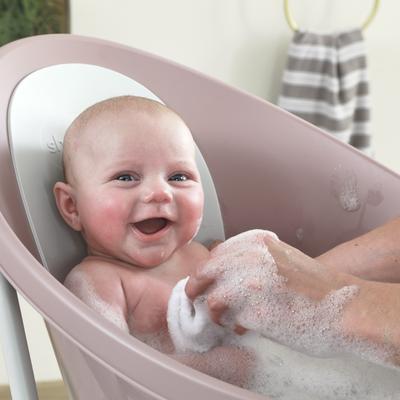
Similar search terms for Baby
Top-Angebote
Products related to Baby:
-
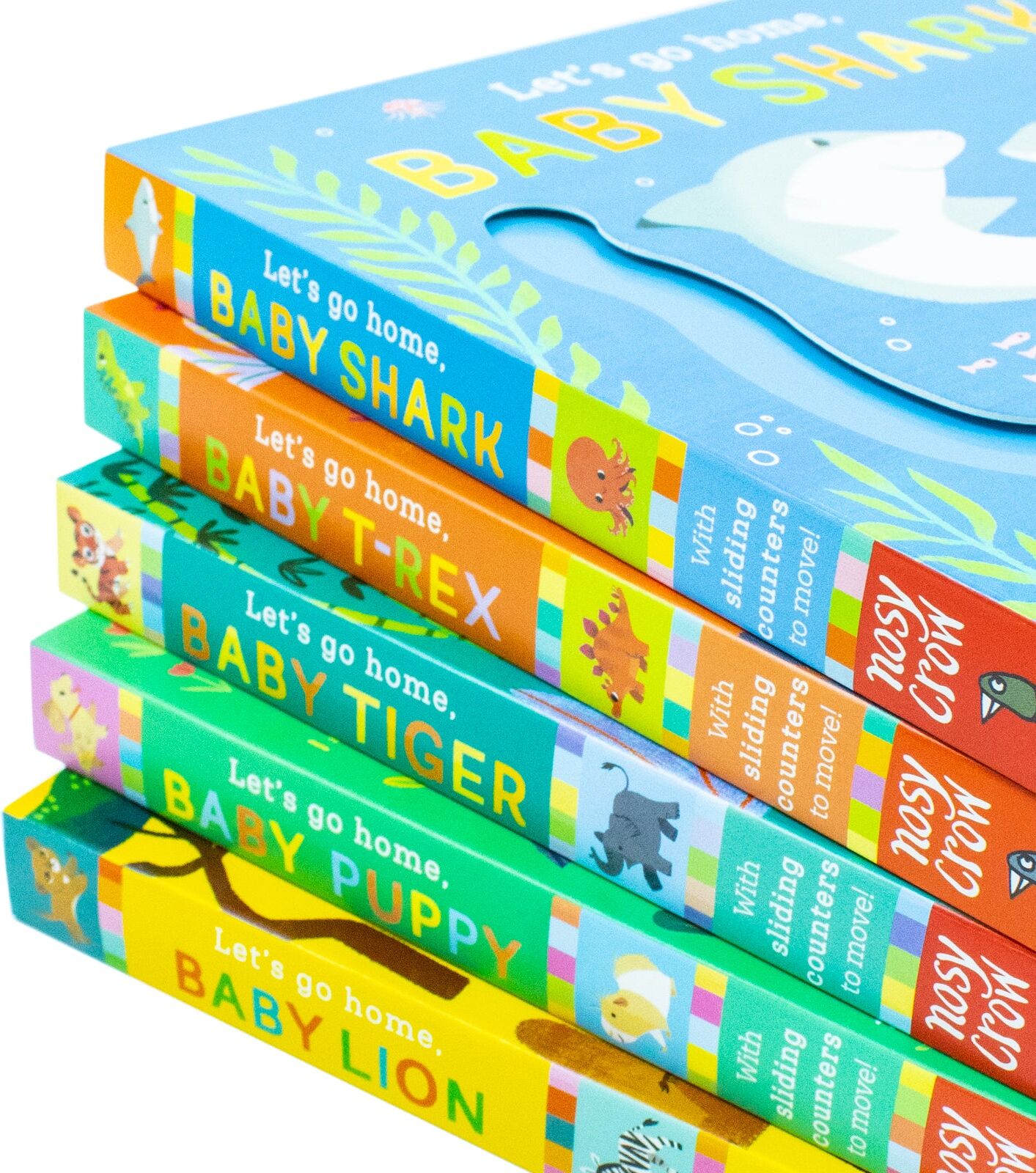
Nosy Crow Let’s Go Home Series 5 Books Collection Set (Baby Shark, Baby T-Rex, Baby Tiger, Baby Puppy, Baby Lion)Let’s Go Home Series 5 Books Collection Set (Baby Shark, Baby T-Rex, Baby Tiger, Baby Puppy, Baby Lion) Help the baby animals find their way home in this fun new sliding counter series! Let’s Go Home, Baby Shark Meet shark, crab, octopus and puffin - four adorable baby animals who are lost at sea! With easy-to-use moving parts and four unique tracks to develop hand-eye coordination and concentration, babies and toddlers will enjoy taking the baby animals home in this robust, satisfying board book. Let’s Go Home, Baby T-Rex Meet T-rex, stegosaurus, pterodactyl and triceratops - four adorable baby dinosaurs who are lost in the wild! With easy-to-use moving parts and four unique tracks to develop hand-eye coordination and concentration, babies and toddlers will enjoy taking the baby dinosaurs home in this robust, satisfying board book. Let’s Go Home, Baby Tiger Meet tiger, parrot, elephant and crocodile - four adorable baby animals who are lost in the jungle! With easy-to-use moving parts and four unique tracks to develop hand-eye coordination and concentration, babies and toddlers will enjoy taking the baby animals home in this robust, satisfying board book. Let’s Go Home, Baby Puppy Meet baby puppy, baby kitten, baby guinea pig and baby fish - four adorable pets who are lost! With easy-to-use moving parts and four unique tracks to develop hand-eye coordination and concentration, babies and toddlers will enjoy taking the baby animals home in this robust, satisfying board book. Let’s Go Home, Baby Lion Meet lion, monkey, hippo, zebra - four adorable baby animals who are lost on the savannah! With easy-to-use moving parts and four unique tracks to develop hand-eye coordination and concentration, babies and toddlers will enjoy taking the baby animals home in this robust, satisfying board book.14,99 £*Shipping: 2,99 £Secure redirect to the provider
-
Baby Mode Cable Knit Baby BlanketBring your little one home for the first time in this cable-knit baby blanket. Soft cotton construction delivers a cozy layer of warmth, and the solid color brings a beautiful finishing touch to your child's nursery.28,99 $*Shipping: 0,00 $Secure redirect to the provider



-
Where can one donate baby items?
One can donate baby items to local charities, shelters, churches, or organizations that support families in need. Many communities have donation centers or thrift stores that accept gently used baby items. Additionally, online platforms such as Freecycle, Buy Nothing groups, or Facebook Marketplace can be used to connect with families looking for baby items. It's important to ensure that the items being donated are clean, safe, and in good condition. **
-
How do you raise a baby hare?
Raising a baby hare, also known as a leveret, requires specialized care. It is important to keep the leveret warm, as they are unable to regulate their body temperature. Feeding them a specialized milk formula every few hours is crucial for their growth and development. It is also important to handle them minimally to reduce stress and mimic their natural environment as much as possible. Consulting with a wildlife rehabilitator or veterinarian experienced in caring for hares is recommended for proper guidance. **
-
'How do you raise a baby chickadee?'
Raising a baby chickadee requires specialized care and attention. First, it's important to keep the chickadee warm in a brooder with a heat lamp and provide a diet of insects, seeds, and fruits. It's also crucial to handle the chickadee as little as possible to avoid imprinting and to provide a safe and secure environment. As the chickadee grows, it's important to gradually introduce it to the outdoors and its natural habitat, while still providing food and shelter as needed. Finally, it's important to consult with a wildlife rehabilitator or expert for guidance on raising a baby chickadee to ensure its well-being and successful release back into the wild. **
-
'How do you raise found baby mice?'
If you have found baby mice, it's important to handle them as little as possible to avoid stressing them out. Keep them warm by placing them in a small, ventilated container with soft bedding and a heating pad set on low. You can feed them a mixture of kitten milk replacer and a small amount of baby cereal using a syringe or dropper. It's best to consult with a wildlife rehabilitator or veterinarian for guidance on caring for found baby mice, as they require specialized care and feeding. **


'How do I raise a baby mouse?'
Raising a baby mouse requires careful attention and specific care. First, you will need to create a warm and safe environment for the baby mouse, such as a small, escape-proof enclosure with bedding and a hiding place. Next, you will need to feed the baby mouse a specialized formula using a small syringe or dropper, as they are not able to eat solid food at such a young age. It's important to handle the baby mouse gently and provide it with regular care and attention to ensure its health and well-being. Additionally, it's crucial to consult with a veterinarian or wildlife rehabilitator for guidance on raising a baby mouse, as they can provide valuable advice and support. **
'How do you raise a baby swallow?'
Raising a baby swallow requires specialized care and attention. If you find a baby swallow that has fallen out of its nest, it's important to first ensure its safety from predators and then try to return it to its nest if possible. If reuniting the baby swallow with its parents is not possible, you can provide it with a makeshift nest and feed it a diet of insects such as mealworms and crickets. It's important to handle the baby swallow as little as possible to avoid stressing it out, and to consult with a wildlife rehabilitator for guidance on proper care. **
Top-Angebote
Products related to Baby:
-
Nosy Crow Let’s Go Home Series 5 Books Collection Set (Baby Shark, Baby T-Rex, Baby Tiger, Baby Puppy, Baby Lion)Let’s Go Home Series 5 Books Collection Set (Baby Shark, Baby T-Rex, Baby Tiger, Baby Puppy, Baby Lion) Help the baby animals find their way home in this fun new sliding counter series! Let’s Go Home, Baby Shark Meet shark, crab, octopus and puffin - four adorable baby animals who are lost at sea! With easy-to-use moving parts and four unique tracks to develop hand-eye coordination and concentration, babies and toddlers will enjoy taking the baby animals home in this robust, satisfying board book. Let’s Go Home, Baby T-Rex Meet T-rex, stegosaurus, pterodactyl and triceratops - four adorable baby dinosaurs who are lost in the wild! With easy-to-use moving parts and four unique tracks to develop hand-eye coordination and concentration, babies and toddlers will enjoy taking the baby dinosaurs home in this robust, satisfying board book. Let’s Go Home, Baby Tiger Meet tiger, parrot, elephant and crocodile - four adorable baby animals who are lost in the jungle! With easy-to-use moving parts and four unique tracks to develop hand-eye coordination and concentration, babies and toddlers will enjoy taking the baby animals home in this robust, satisfying board book. Let’s Go Home, Baby Puppy Meet baby puppy, baby kitten, baby guinea pig and baby fish - four adorable pets who are lost! With easy-to-use moving parts and four unique tracks to develop hand-eye coordination and concentration, babies and toddlers will enjoy taking the baby animals home in this robust, satisfying board book. Let’s Go Home, Baby Lion Meet lion, monkey, hippo, zebra - four adorable baby animals who are lost on the savannah! With easy-to-use moving parts and four unique tracks to develop hand-eye coordination and concentration, babies and toddlers will enjoy taking the baby animals home in this robust, satisfying board book.14,99 £*Shipping: 2,99 £Secure redirect to the provider
-
Baby Mode Cable Knit Baby BlanketBring your little one home for the first time in this cable-knit baby blanket. Soft cotton construction delivers a cozy layer of warmth, and the solid color brings a beautiful finishing touch to your child's nursery.28,99 $*Shipping: 0,00 $Secure redirect to the provider
-
'How do you raise baby mollies?'
To raise baby mollies, it is important to provide them with a suitable environment such as a well-filtered tank with plenty of hiding spots and plants. Feed them small amounts of high-quality flake food or specialized fry food multiple times a day to ensure they are getting enough nutrition. Regular water changes and monitoring water parameters are crucial to maintain good water quality for the growing mollies. Additionally, separating the baby mollies from adult fish can help prevent them from being eaten and allow them to grow safely. **
-
How do you raise baby mice?
To raise baby mice, you will need to provide them with a warm and safe environment, such as a small cage with bedding. Feed them a specialized formula for baby mice every 2-3 hours using a syringe or dropper until they are about 3 weeks old. Keep their cage clean and make sure they have access to fresh water. As they grow, you can introduce solid food like rodent pellets and vegetables into their diet. It is important to handle them gently and provide socialization to ensure they grow up healthy and well-adjusted. **
-
Where can one donate baby items?
One can donate baby items to local charities, shelters, churches, or organizations that support families in need. Many communities have donation centers or thrift stores that accept gently used baby items. Additionally, online platforms such as Freecycle, Buy Nothing groups, or Facebook Marketplace can be used to connect with families looking for baby items. It's important to ensure that the items being donated are clean, safe, and in good condition. **
-
How do you raise a baby hare?
Raising a baby hare, also known as a leveret, requires specialized care. It is important to keep the leveret warm, as they are unable to regulate their body temperature. Feeding them a specialized milk formula every few hours is crucial for their growth and development. It is also important to handle them minimally to reduce stress and mimic their natural environment as much as possible. Consulting with a wildlife rehabilitator or veterinarian experienced in caring for hares is recommended for proper guidance. **
Similar search terms for Baby
-
'How do you raise a baby chickadee?'
Raising a baby chickadee requires specialized care and attention. First, it's important to keep the chickadee warm in a brooder with a heat lamp and provide a diet of insects, seeds, and fruits. It's also crucial to handle the chickadee as little as possible to avoid imprinting and to provide a safe and secure environment. As the chickadee grows, it's important to gradually introduce it to the outdoors and its natural habitat, while still providing food and shelter as needed. Finally, it's important to consult with a wildlife rehabilitator or expert for guidance on raising a baby chickadee to ensure its well-being and successful release back into the wild. **
-
'How do you raise found baby mice?'
If you have found baby mice, it's important to handle them as little as possible to avoid stressing them out. Keep them warm by placing them in a small, ventilated container with soft bedding and a heating pad set on low. You can feed them a mixture of kitten milk replacer and a small amount of baby cereal using a syringe or dropper. It's best to consult with a wildlife rehabilitator or veterinarian for guidance on caring for found baby mice, as they require specialized care and feeding. **
-
'How do I raise a baby mouse?'
Raising a baby mouse requires careful attention and specific care. First, you will need to create a warm and safe environment for the baby mouse, such as a small, escape-proof enclosure with bedding and a hiding place. Next, you will need to feed the baby mouse a specialized formula using a small syringe or dropper, as they are not able to eat solid food at such a young age. It's important to handle the baby mouse gently and provide it with regular care and attention to ensure its health and well-being. Additionally, it's crucial to consult with a veterinarian or wildlife rehabilitator for guidance on raising a baby mouse, as they can provide valuable advice and support. **
-
'How do you raise a baby swallow?'
Raising a baby swallow requires specialized care and attention. If you find a baby swallow that has fallen out of its nest, it's important to first ensure its safety from predators and then try to return it to its nest if possible. If reuniting the baby swallow with its parents is not possible, you can provide it with a makeshift nest and feed it a diet of insects such as mealworms and crickets. It's important to handle the baby swallow as little as possible to avoid stressing it out, and to consult with a wildlife rehabilitator for guidance on proper care. **
* All prices are inclusive of VAT and, if applicable, plus shipping costs. The offer information is based on the details provided by the respective shop and is updated through automated processes. Real-time updates do not occur, so deviations can occur in individual cases. ** Note: Parts of this content were created by AI.